

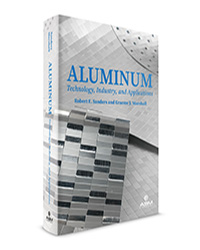
Aluminum: Technology, Industry, and Applications provides an overview of the processes, practices, and trends associated with the use of aluminum as an engineering material.
This resourceful and practical book includes chapters on mining and smelting, ingot and continuous casting, shape casting, hot and cold rolling, extrusion and drawing, forging, and secondary operations. It discusses the factors involved in the selection of product forms, alloy compositions, and temper designations with emphasis on manufacturability, component performance, sustainability, and cost.
The book also describes the role of aluminum in aerospace, automotive, trucking, rail, marine, packaging, appliance, and building and infrastructure applications, noting major advancements as well as challenges. It also includes content that traces the development of the aluminum industry from its beginnings to its current state, from the perspective of the individuals and organizations who shaped it.
It is for anyone working in or serving the aluminum industry and those who have interest in its past, present, and exciting future.
Chapter 1: Introduction—Aluminum as an Industrial Material
Discovery of Aluminum
The Washington Monument
Origins of the Industry
Evolution of the Aluminum Industry
Chapter 2: Mining, Refining, Smelting, and Recycling
Where Does Aluminum Come From?
Refining—The Bayer Process
Smelting
Primary Aluminum
Scrap and Recycling
A Visit to the Aluminum Recycling Center
Chapter 3: Strengthening and Heat Treatment of Aluminum
Alloy Designation Systems
Strengthening of Aluminum
Crystal Structure and Ductility of Aluminum
Alfred Wilm (1869—1973)
Temper Designations
Microstructure Changes during Annealing
Chapter 4: Direct Chill Ingot and Continuous Casting Processes
Melting and Alloying
Recycling
Molten Metal Treatment
Control of Inclusions
Ingot Grain Refining
Direct Chill Casting
Direct Chill Ingot Microstructure
Continuous Casting Methods
Continuous Casters: The Holy Grail for Sheet Production?
Chapter 5: Aluminum Shape Casting
What Is a Casting?
Aluminum Shape-Casting Processes
Sand-Mold Casting
High-Pressure Die Casting
Casting Alloys
Al-Si Alloys
Casting Quality and Performance
Premium Castings
Heat Treatment of Cast Products
Chapter 6: Production of Aluminum Rolled Products
Ingot Preparation
Ingot Preheating and/or Homogenization
Hot Rolling
Aluminum Rolling Mills
Plate Production
Cold Rolling of Sheet and Foil
Finishing Operations
Lithographic Sheet
Thick Heat-Treated Plate
Chapter 7: Production of Aluminum Extrusion and Wire Drawing
Extrusion Process
Extrusion Alloys and Process
Hollows and Tubes
Cold-Finished Rod and Bar
Free-Machining Alloys and Products
Weldable 6xxx and 7xxx High Strength Structural Alloys
Secondary Operations
Production of Wire Products
Chapter 8: Aluminum Forging
What Is Forging?
Types of Forging Processes
Forging Equipment
Forging Process
Forging Alloys
Forged Products
Chapter 9: Product, Alloy, and Temper Selection
Introduction to Alloy and Product Selection
Important Physical Properties
Mechanical Properties
Aluminum Corrosion
Water Staining of Aluminum
Chapter 10: Customer Manufacturing Processes
Formability
Surface Treatments
Room Temperature Joining
Elevated Temperature Joining
Machining
Chapter 11: Aluminum in Aircraft and Space Applications
Commercial Aircraft
Modern Aircraft Manufacturing
Aerospace Alloys
Military Aircraft
Aluminum in Space
Chapter 12: Aluminum in Light Vehicles
Aluminum Shaped Castings
The Story of the Vega Aluminum Engine
Automotive Aluminum Rolled Products
Ford F150
Automotive Aluminum Extruded Products
Chapter 13: Aluminum in Ground Transportation
Early Uses of Aluminum in Ground
Transportation
Trucks
UPS Truck Tour with Driver
Buses—School, City, and Long Distance
Railroad Freight Applications
Subways and Light Rail
Passenger High-Speed Railroad Applications
Aluminum in Military Vehicles
Chapter 14: Aluminum in Marine Transportation
Small Boats
Alloys for Shipbuilding
Aluminum Ships
SS United States
Chapter 15: Aluminum Packaging Products
Foil Packaging Products
Coffee Capsules, Pouches, and Packets
Semirigid Containers
Beverage and Food Cans
Brief History of the Aluminum Can
Can Metallurgy
What Can Go Wrong in Can Making?
Impact Extruded Containers
Aluminum Closures
Chapter 16: Aluminum Building Products
Early Use and Development
Extruded Products
Rolled Products
Cast Products
Chapter 17: Aluminum in Household Goods and Appliances
Cookware
Surface Finishes on Aluminum
Consumer Electronics and TVs
Apple and Aluminum
Home Interiors
Ladders and Other Tools
Luggage and Briefcases
Outdoor Furniture
Aluminum in Art
Art and Architecture
Chapter 18: Aluminum in Infrastructure
Electrical Conductors
Roads and Bridges
Saguenay River Bridge at Arvida
Highway Signs, Traffic Signals, and License Plates
Railroad and Highway Crossings
Solar Energy Generation
Agriculture and Industrial Applications
Chapter 19: Aluminum in Sports and Recreation
Water Sports
Baseball
Easton Sports
Hockey, Tennis, and Racquet Sports
Cricket
Track and Field
Snowmobiles, Jet Skis, and Golf Carts
Bicycles
Sports Wheelchairs
Motorcycles
Travel Trailers and Recreational Vehicles
Camping Equipment
Chapter 20: Aluminum and Its Importance for Sustainability
Prospects for the Future
Primary Production
Current State of Recycling
Decarbonizing Aluminum Production
What’s Next for Recycling?
Appendix 1
Wrought Aluminum Alloys
Appendix 2
Aluminum Casting Alloys
Appendix 3
Aluminum Alloy Heat-Treatable Alloy Temper Designations and Product Forms